

Running a Minecraft hosting provider taught me a lot more about infrastructure than I expected. When I first started SodiumNodes about a year ago, I was immediately filled with mixed emotions: worry and doubt that its services would be unreliable, but also excitement and joy as I was thinking about its future.
Those concerns turned out to be valid. I went through a lot of trial and error, which then led to success as things slowly stabilized. In this post, I will be pointing out the common mistakes new Minecraft hosting businesses make when starting out.
Always comprehend the docs
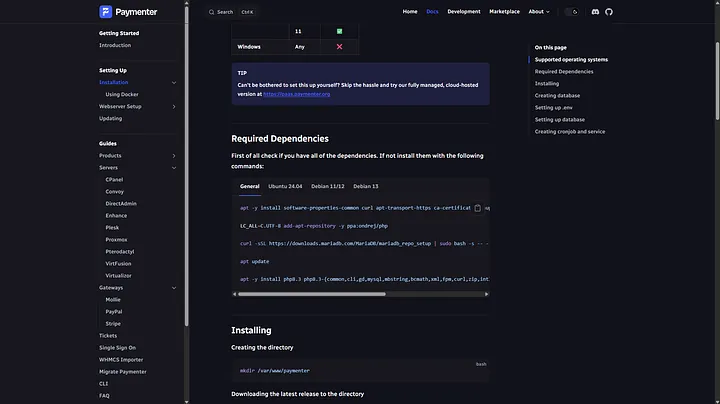
I know it’s easier said than done. For beginners, documentation can be hard or literally overwhelming to understand. All these commands, webservers, SSL gibberish… why not just copy and paste the commands?
Here’s the wall you’ll likely run into: your system might have different packages, you start trying to override your system packages with the packages in the documentation, and all of a sudden your server has turned into a mess.
Preventing this is simpler than it sounds nowadays. Use AI to help understand unfamiliar commands, but always verify through official documentation and additional research, since AI can hallucinate.
Never underestimate cronjobs and queues
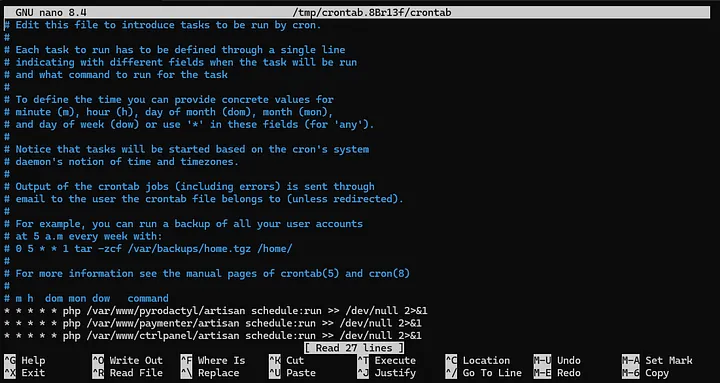
In Laravel applications, like the Pterodactyl panel, CtrlPanel.gg or Paymenter, which you will most likely be encountering in the SaaS industry, cronjobs and queues are the backbone for automated tasks.
The most common sign they’re broken is missing emails or having to manually perform tasks. This is very dangerous because it can seriously break things, even resulting in duplicate payments you may not notice, which can lead to disputes and can easily cost you hundreds. This isn’t theoretical; it’s the specific mistake that caused us over 10+ lost payments and all our users, even the most loyal ones.
To prevent this from happening, be extremely careful when updating PHP versions. Your default PHP runtime (identifiable by running which php in the terminal) might change after the update, and you’re left with older Composer dependencies. You cannot update them if you don’t know PHP or the documentation doesn’t say so!
My recommendation is to only update if necessary or if you know what you’re doing. Stability matters much more than chasing versions unless there’s a specific need. It’s better to be safe than sorry, especially in front of your customers.
Static HTML makes your website hard to maintain
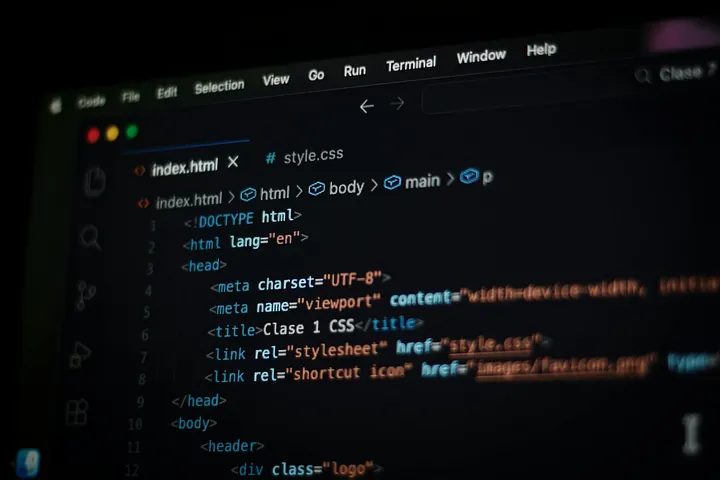
If you’re new to development, you might not even know what static HTML is.
A static HTML website is a collection of pre-built HTML, CSS, and JavaScript code that are served directly into a user’s browser. Now you might be thinking: isn’t this good? It will benefit performance after all. You’re right to assume that, but it’s not easy to scale.
Just wait until you want to render the pricing page. You’d have to copy your HTML code over and over, which is inefficient and messy in the long-term.
A common approach is to build a React application and later move to Next.js. That’s how I did it at least. React might look confusing at first, but if you’re locked in properly, after a few months, you’ll be able to make the switch to Next.js for your server-side components.
Conclusion
Building a Minecraft hosting provider requires decent knowledge of Linux and a solid understanding of what Cronjobs, queues, front-end and back-end are. The technical side is only half of it, while the maintenance and stability weights just as much.